Key Insights:
The people behind the event
Preparation creates successful events
Communication connects everything
Leadership is built through trust
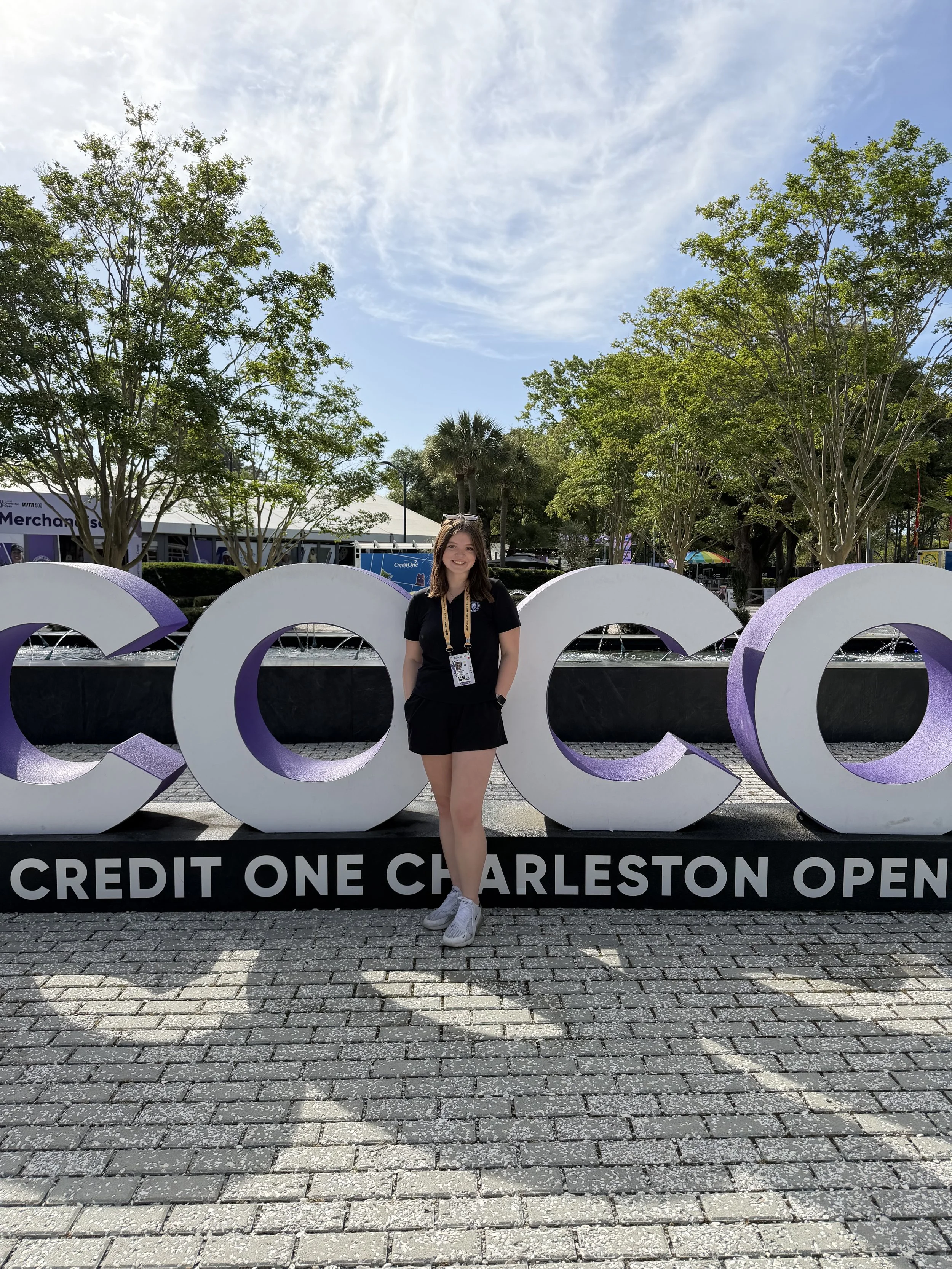
The people behind the event…
One of the most important things I have learned throughout my time studying Sport and Entertainment Management is that the success of an event ultimately comes down to the people behind it. Early in my degree, I was much more focused on what happened during an event. I thought about the venue, the fans, the athletes or performers, and everything that an audience actually sees. As I progressed through my classes and gained more experience working in the industry, I started to understand how much of an event's success is determined before the doors ever open.
This idea really began to stick with me while taking classes with Professor Paul Graham. In his classes, he regularly stressed the people-reliant aspects of executing live entertainment events and managing artists. One thing he told me that I have continued to think about throughout college is that good people make up good events. After hearing that, I started looking at topics in my other classes differently. When we discussed event operations, risk management, hospitality, leadership, or other areas of sport and entertainment, I found myself thinking about the employees who would actually be responsible for executing those plans. A company can create a great event plan on paper, but that plan still has to be placed in the hands of people who are capable of bringing it to its full potential.
My experiences outside of the classroom have continued to prove this to me. Before my internship with Peak Events, I had already experienced managing people as an Aquatics Supervisor at Lakewood Camping Resort, where I supervised 20 lifeguards and helped schedule a staff of lifeguards and supervisors. Through other experiences, I have also seen how different groups of employees contribute to the same end goal. At Colonial Life Arena, I have worked in group sales and premium services, while my work with Learfield has allowed me to experience sponsorship activation and hospitality. Although the responsibilities of the people working in these areas are very different, the experience that a guest ultimately receives depends on each person doing their job well.
These insights have also played a large role in my decision to pursue Human Resources. I originally chose Sport and Entertainment Management because I knew I wanted to work in this industry, but my experiences have helped me narrow down where I believe I can contribute the most. I want to be involved in finding, developing, and supporting the people who make sports and entertainment possible. Professor Graham's statement that good people make good events has stayed with me because I have now seen it happen in the classroom and in my own professional experiences. Recruiting and hiring great people puts an event in the hands of individuals who can take everything that was planned and bring it to its full potential.
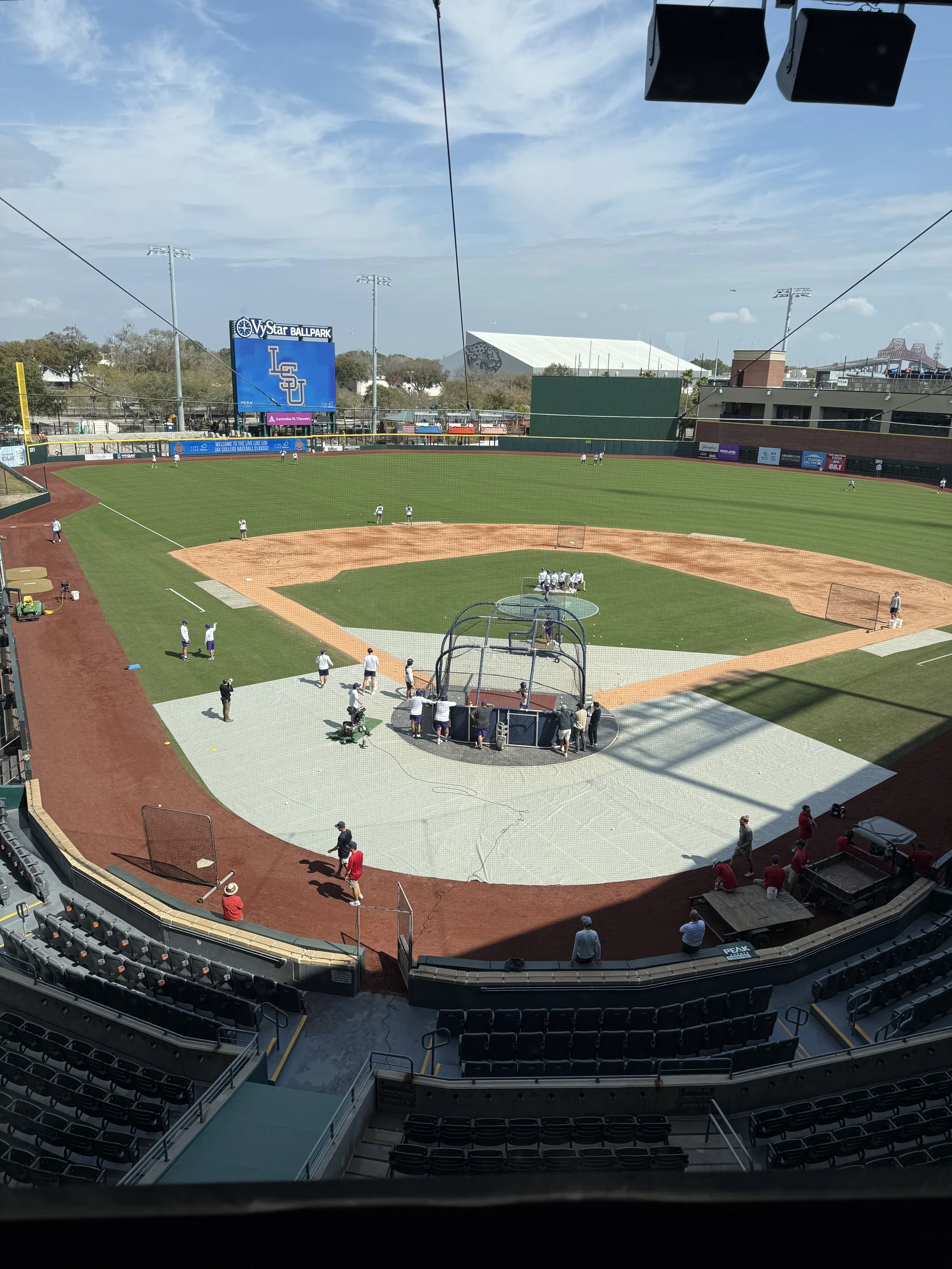
Preparation creates successful events…
The biggest changes in my understanding of event management throughout college has been realizing just how much of an event happens before the event itself. When someone attends a game, concert, or other live event, they see the final product, but they do not necessarily see everything that had to happen to get to that point. Through my coursework and my time working at Colonial Life Arena, I have learned that the experience people have on event day is largely determined by the preparation that happens behind the scenes.
SPTE 444 at the University of South Carolina gave me one of my best opportunities to understand this from an academic perspective. We spent an entire semester developing an event from the ground up without actually putting the event on. Throughout the semester, we created a budget, selected a venue, developed a logo and colors, planned merchandise, worked through travel logistics, and planned many of the other details necessary to turn an idea into an actual event. What stood out to me was how connected every decision became. Something that changed within the budget could affect another area of the event, while decisions involving the venue could create new considerations for travel, operations, staffing, or the guest experience. By the end of the semester, I understood that planning an event is much more than creating a schedule and choosing a location. It is putting together hundreds of smaller pieces that eventually have to function as one.
My experience at Colonial Life Arena allowed me to see the other side of what I was learning in SPTE 444. Working in Group Sales and Premium Services has given me the opportunity to be involved with more than 40 different events, including managing suites and assisting with the day-to-day work that happens before guests arrive. Because an arena hosts so many different types of events, I have also been able to see how preparation has to change depending on what is coming into the building. The needs of one event are not always going to be the needs of another, but the expectation from the guest remains the same. They expect everything to work. That made me realize that some of the best operational work is the work a guest never even realizes had to happen.
I think SPTE 444 and Colonial Life Arena complemented each other especially well because one taught me how to create the plan while the other showed me what happens when that plan becomes real. In class, we had time to think through decisions and determine what would work best for our event. At the arena, I learned that even with great preparation, things can change and you have to be ready to adjust. My other experiences, especially working in tournament operations with Peak Events, have only continued to reinforce that lesson.
I have learned that event day is really the result of weeks or months of decisions, communication, problem solving, and preparation that most people will never see. That has changed the way I look at events when I attend them and the way I approach them when I am working. I pay much more attention to the small details because I understand how easily one detail can impact another. I have also learned that preparation does not mean everything will go perfectly. Instead, good preparation gives the people working an event the foundation they need to respond when something does not go according to plan.
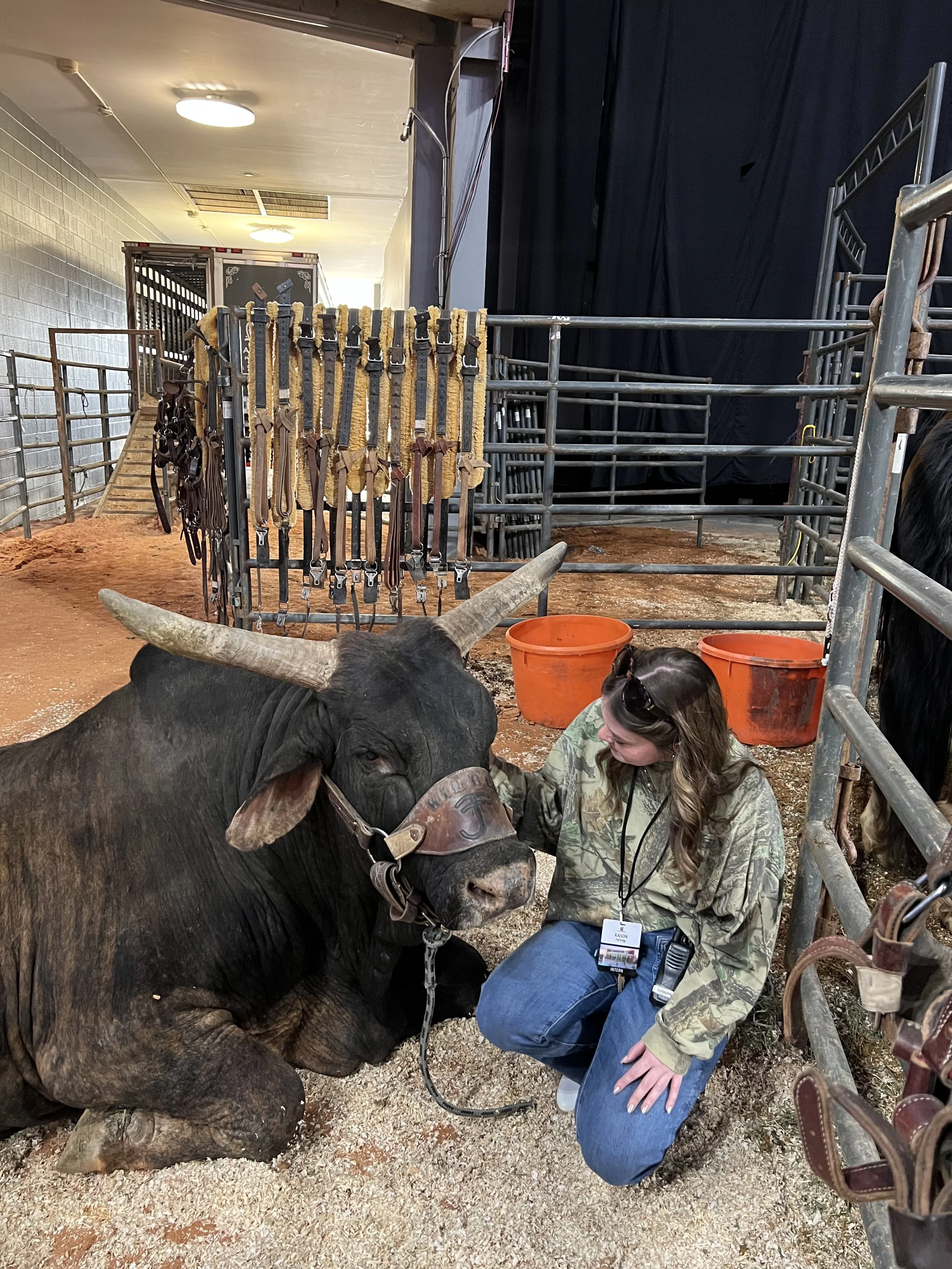
Communication connects everything…
Communication is a skill that I have heard about in almost every class, internship, and job I have had throughout college. For a long time, I thought being a good communicator mostly meant being comfortable talking to people and being able to clearly explain something. My experiences throughout college have taught me that there is much more to it than that. Effective communication means understanding who you are communicating with, what they need from you, and how you need to change your approach depending on the situation.
Communication has been a consistent topic throughout my Sport and Entertainment Management coursework because of how many different groups of people are involved in this industry. An event can involve employees, managers, athletes, artists, sponsors, vendors, guests, clients, and many others who all need different information. What I began to understand through my classes was that communication is not separate from event operations or management. It is what connects all of those areas together. A great plan is not very useful if the people responsible for executing it do not understand what is expected of them.
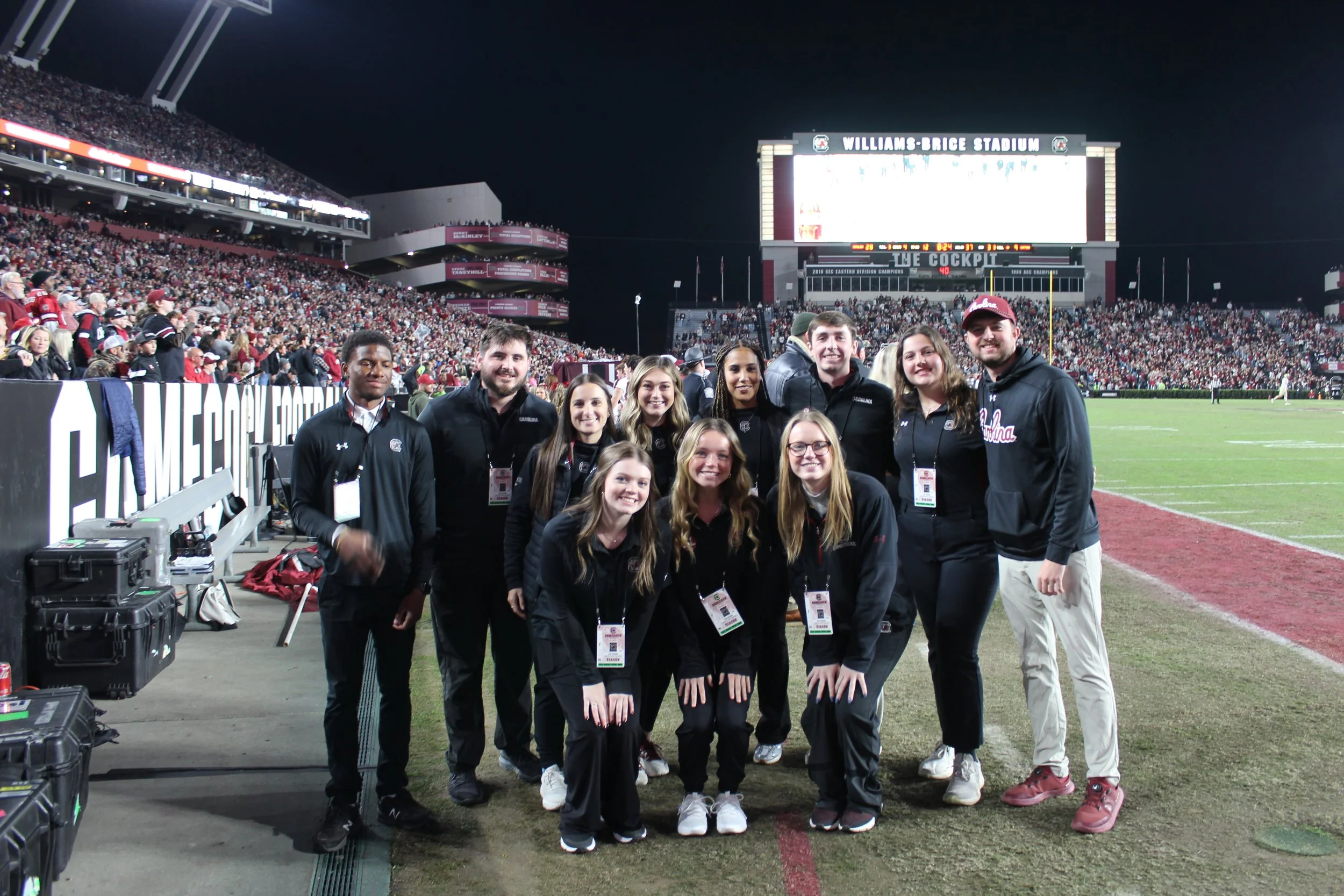
My experience with Gamecock Sports Properties through Learfield gave me the opportunity to see this in a professional sports setting. I worked alongside other interns to set up and break down partnership activations while also helping provide hospitality to more than 200 guests and executing sponsorship activations for companies including Jersey Mike's, Jim Hudson Lexus, and the South Carolina Education Lottery. Working in sponsorship and hospitality showed me that I could not communicate with every person in exactly the same way. The way I communicated with another intern while setting something up was different from the way I needed to communicate with a guest or someone representing a corporate partner.
Pillars for Carolina gave me another perspective on communication through my position as an Operations Mentor. I helped plan a four-day program for more than 300 incoming students and our staff of around 100 people. One of my responsibilities was maintaining communication with our Extended Mentors throughout the program. With that many people involved, I learned how quickly a lack of communication can turn into confusion. It was important that people knew where they needed to be, what was expected of them, and who they could go to when they had a question. This experience helped me become more confident communicating information to a larger group instead of only communicating one-on-one.
I have continued developing this skill during my internship with Peak Events. As I took on more responsibility with staffing, I went from researching potential employees to helping recruit, hire, and communicate directly with tournament staff. I also experienced communication from the client side through team hosting, where I served as a connection between Peak and the team I was assigned to. These experiences showed me that communication is not just about passing information from one person to another. It can build trust, set expectations, prevent problems, and make people feel more confident in the organization they are working with.
As I move toward a career in Human Resources, I think this insight will become even more important. HR professionals communicate with people at every level of an organization, and many of those conversations require different approaches. Recruiting a potential employee, explaining expectations to a new hire, listening to an employee's concerns, and communicating with company leadership are all very different conversations. My experiences have taught me that being an effective communicator is not about having one communication style that works with everyone. It is being able to listen, understand the person or group in front of you, and communicate in a way that allows everyone to work toward the same goal.
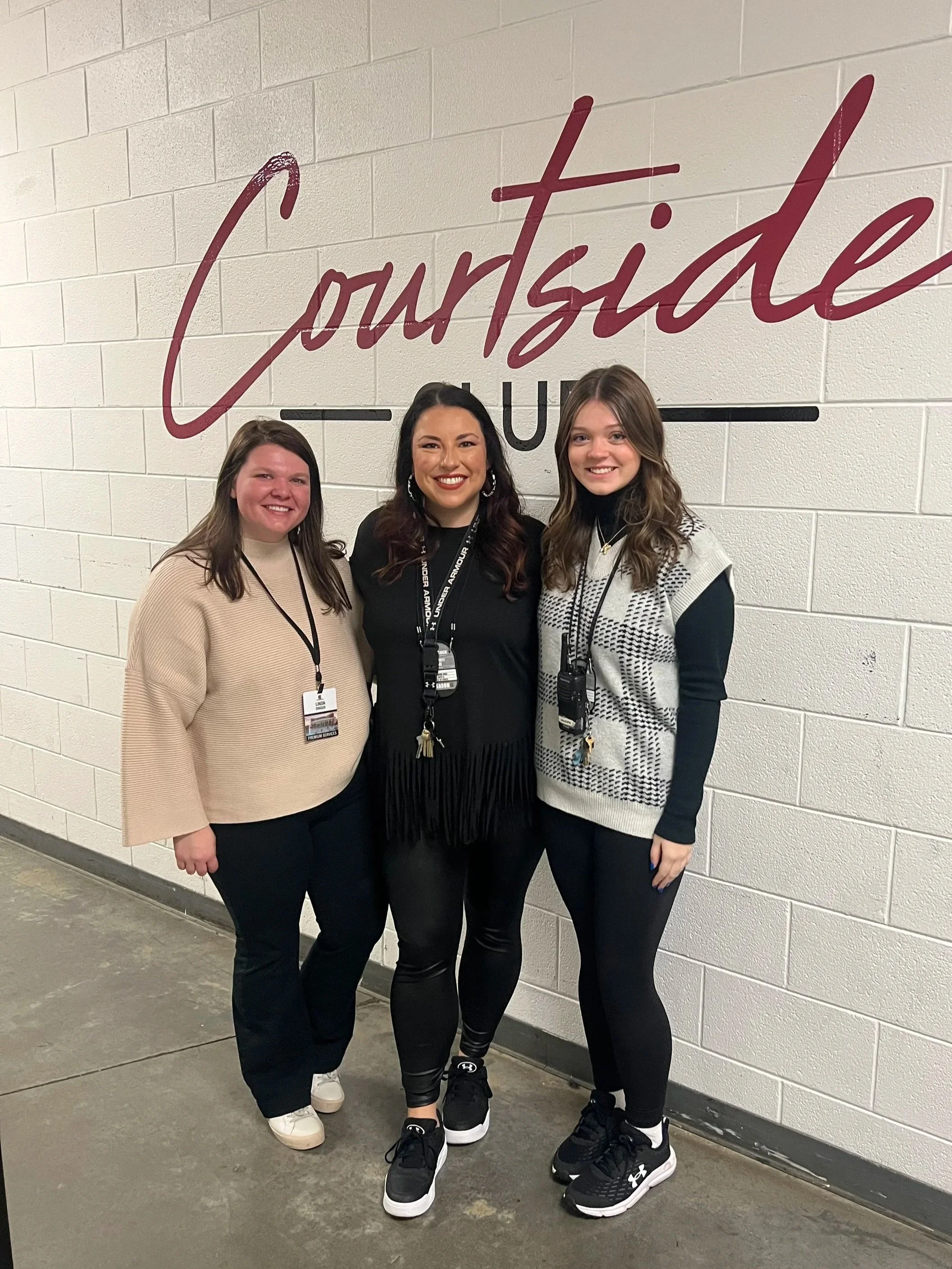
Leadership is built through trust…
My understanding of leadership has changed significantly throughout college. As I have moved through different jobs, leadership positions, classes, and internships, I have learned that a title can give someone authority, but it does not necessarily make someone a leader. Some of the most important leadership opportunities I have had came because someone trusted me with responsibility, and I have learned that earning and maintaining that trust is an important part of becoming a strong leader.
One of my earliest opportunities to experience leadership was as an Aquatics Supervisor at Lakewood Camping Resort. In that position, I supervised 20 lifeguards and helped create schedules for the lifeguards and four other supervisors. This was one of my first experiences being responsible for not only my own work, but also the work and safety of other people. I learned that being the supervisor did not mean that I could simply tell people what to do and expect everything to work. I had to communicate expectations, be someone employees could come to with problems, and be willing to take responsibility when something went wrong.
My time as an Operations Mentor with Pillars for Carolina allowed me to experience leadership in a different way. I helped plan a four-day program for more than 300 incoming students and a staff of around 100 people while also communicating with our Extended Mentors throughout the program. Unlike being a supervisor, this experience involved leading and working alongside many of my peers. It taught me that leadership sometimes means influencing a group without necessarily having direct authority over everyone involved. Being organized, communicating clearly, following through on responsibilities, and being willing to help others became more important than simply having a leadership title.
Throughout my Sport and Entertainment Management classes, I also learned about the importance of delegation and accountability within leadership. Those concepts became much more meaningful once I experienced them professionally. A leader cannot realistically do every job themselves, especially when executing a large event. They have to be able to trust other people with responsibilities while still holding themselves and their team accountable for the final result. I have also learned that giving someone responsibility can help them become more confident in their own abilities, which is something I experienced personally during my internship with Peak Events.
Peak has probably changed my perspective on leadership more than any of my other experiences because I began the internship without a leadership position. I was originally given assignments like creating staffing sheets, researching contacts, and helping with tournament preparations. As I completed those projects, my supervisor continued giving me more independence. Eventually, they trusted me to take the lead on staffing for upcoming tournaments, including recruiting, hiring, and communicating with tournament staff. I was also given additional operational responsibilities and opportunities to serve as a lead team host. I did not receive those responsibilities simply because I was an intern who wanted them. They came as I demonstrated that I could be trusted with the work I had already been given.
That experience has influenced the type of leader I want to become. One of the things I appreciated most about Peak was that I was given room to complete projects independently while still having someone available when I needed guidance. That trust made me more confident and encouraged me to take greater ownership of my work. In the future, I want to lead people in a similar way. I want to set clear expectations and hold people accountable, but I also want to trust them enough to give them ownership over their responsibilities. I have learned that leadership is not about having control over every decision. It is about creating an environment where people feel trusted to do their jobs well and understand that they can rely on their leader when they need support.